
Novel therapeutic approach in primary sclerosing cholangitis
Del Zompo F et al, J Hepatol. 2025;83(6):1305-1319
This study identifies the tight junction protein claudin-1 as a key mediator in the pathogenesis of primary sclerosing cholangitis (PSC) and demonstrates an association with disease activity and prognosis. In preclinical models, claudin-1 blockade led to a significant reduction in inflammation, cholestasis, and fibrosis. Thus, this study opens a promising therapeutic perspective for a disease for which there are currently no effective drug treatment options.
Background and aims: Primary sclerosing cholangitis (PSC) is a cholangiopathy associated with a high risk of progression to end-stage liver disease and hepatobiliary cancer. Its pathogenesis remains poorly understood, and current clinical management offers limited therapeutic options, primarily liver transplantation. Claudin-1 (CLDN1), a transmembrane protein highly expressed in liver epithelial cells, plays a critical role in cell-cell communication and signaling. The authors aimed to investigate the functional role of CLDN1 as both a mediator and potential therapeutic target for PSC using patient cohorts alongside murine and patient-derived intervention models.
Methods: CLDN1 expression patterns and associated cellular phenotypes were analyzed in liver tissues from five PSC patient cohorts using single-cell RNA sequencing, spatial transcriptomics, and multiplex proteomics. Proof-of-concept studies employing CLDN1-specific monoclonal antibodies (mAbs) and genetic loss-of-function approaches were performed in state-of-the-art mouse models of PSC and cholangiopathies. Perturbation studies in human cell-based models were conducted to explore underlying mechanisms.
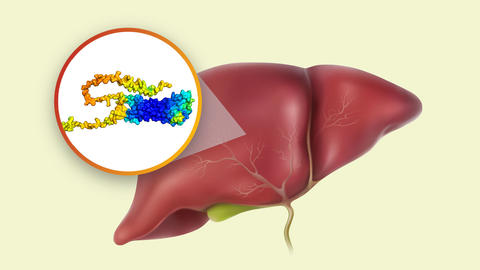
Results: In liver tissues from patients with PSC, CLDN1 expression was markedly upregulated and correlated with disease progression. Spatial transcriptomics and proteomics revealed elevated CLDN1 expression in diseased cholangiocytes and cholestatic periportal hepatocytes, accompanied by activation of pro-inflammatory and pro-fibrotic signaling pathways. Therapeutic administration of CLDN1-specific mAbs or genetic knockout improved liver function in PSC mouse models by reducing hepatobiliary fibrosis and cholestasis. Mechanistic studies indicated that mAb treatment inhibited pro-inflammatory and pro-fibrotic signaling in cholangiocytes and hepatocytes perturbed in PSC liver tissues.
Conclusions: These findings demonstrate a functional role for CLDN1 in the pathogenesis of PSC and biliary fibrosis. In vivo proof-of-concept studies, combined with expression analyses in patients with PSC, support the clinical development of CLDN1-specific mAbs as a therapeutic strategy for PSC.